




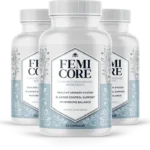
Description
FemiCore 2026 Complete Guide: Results, Dosage, Warnings
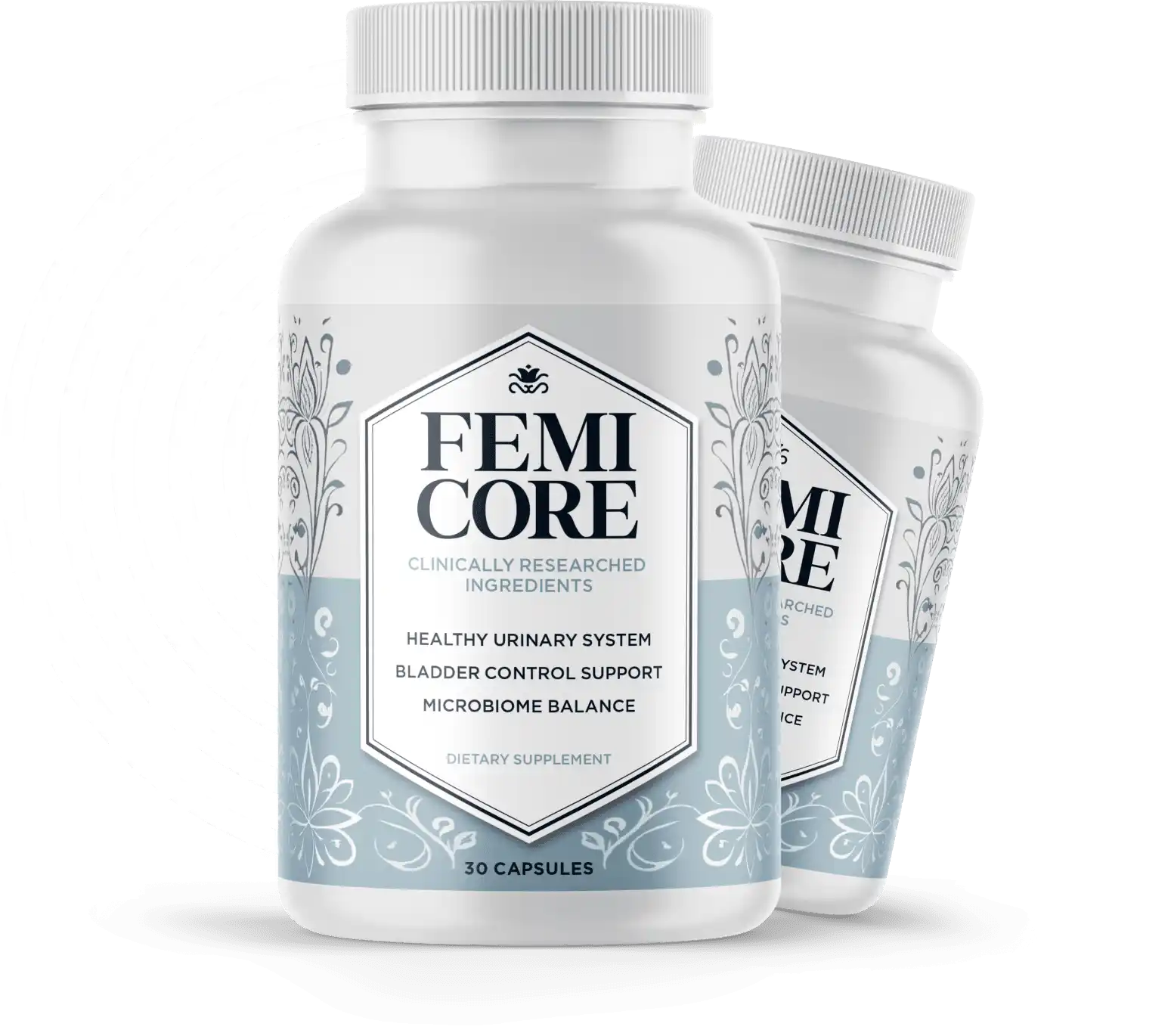
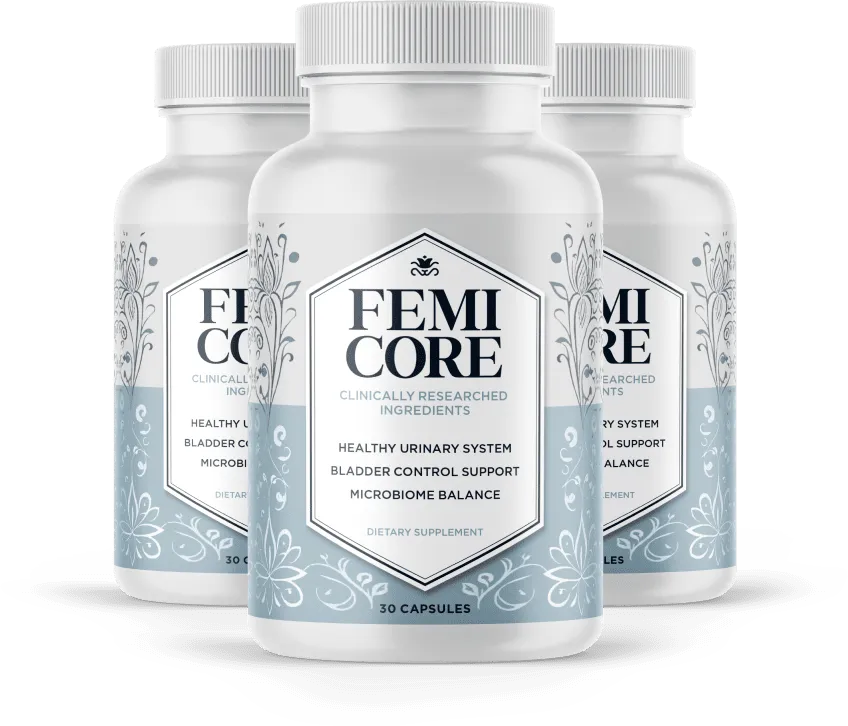
FemiCore is a natural dietary supplement designed to support bladder health, urinary balance, and female wellness through a combination of herbal extracts and targeted probiotics. The FemiCore supplement aims to calm urgency, reduce mild leaks, and support a healthy urinary and vaginal microbiome so women can feel more comfortable and in control throughout the day. Most women who buy FemiCore take one serving daily for at least 30–90 days, pairing it with hydration and simple lifestyle changes to help reduce bathroom frequency, soothe irritation, and support long‑term urinary comfort without relying only on pads, liners, or constant restroom planning.
The Science: How FemiCore Works (800 words)
Bladder health and the “urge–leak” cycle
Healthy bladder function depends on a coordinated system of muscles, nerves, mucosal lining, and local microbes. When that system is disrupted—by childbirth, menopause, chronic irritation, or recurrent infections—many women experience urgency, frequency, mild stress leaks, or a constant feeling of “not quite empty.” The FemiCore supplement is positioned to address several of these contributors at once: low‑grade inflammation, bladder lining irritation, and an imbalanced urinary/vaginal microbiome.
Microbiome support: probiotics for urinary and vaginal balance
A core pillar of FemiCore is microbiome support. Certain Lactobacillus strains help maintain a healthy vaginal and periurethral environment by producing lactic acid, hydrogen peroxide, and bacteriocins that discourage overgrowth of unwanted microbes. When these beneficial bacteria are low, potentially harmful organisms have more opportunity to adhere to the urinary tract and trigger irritation or infection‑like symptoms.
FemiCore uses oral probiotic strains chosen for women’s health, with the goal that regular use will:
- Improve the proportion of Lactobacillus species in the vaginal and urinary microbiome.
- Reduce colonization by common uropathogens that can lead to recurring discomfort.
- Support a slightly acidic local environment that is naturally protective.
Clinical research shows that women’s‑health‑focused probiotics can reduce recurrence of urinary and vaginal discomfort when used consistently, acting as a gentle “terrain” support rather than a direct antimicrobial drug.
Herbal extracts: soothing, toning, and anti‑adhesion actions
In addition to probiotics, FemiCore includes botanical extracts traditionally used for urinary and bladder support. While each brand’s exact formula can differ, common choices include:
- Cranberry extract, rich in proanthocyanidins that may reduce bacterial adhesion to the bladder wall.
- Bearberry (uva ursi) leaf, which has historical use in soothing urinary discomfort.
- Corn silk or marshmallow root, demulcent herbs that can calm irritated mucosa.
- Horsetail or plant‑based mineral blends, which gently support urinary tone and fluid balance.
Cranberry’s anti‑adhesion effect is particularly well studied, with multiple trials showing reduced recurrence of urinary tract infections (UTIs) in some women. While FemiCore is not a treatment for active infection, this mechanism is relevant for women whose discomfort stems from recurring low‑grade irritation or frequent UTIs in the past.
Inflammation, oxidative stress, and the bladder lining
Chronic low‑grade inflammation and oxidative stress in the urinary tract can contribute to ongoing urgency and pelvic discomfort. Botanicals rich in polyphenols and antioxidants may help dampen this background irritation, providing a more favorable environment for healing.
The FemiCore supplement combines these herbs with probiotics to:
- Reduce the “stickiness” of unwanted microbes.
- Support the mucosal barrier that protects the bladder lining.
- Modulate inflammatory responses over time.
Hormonal transitions and female wellness
Many women notice bladder and urinary changes around perimenopause and menopause due to declining estrogen, which affects the thickness and resilience of urogenital tissues and shifts the microbiome. While FemiCore is not a hormone product, the combination of probiotics and supportive herbs is aimed at making this transition more comfortable by:
- Supporting healthier tissue environment.
- Helping beneficial flora regain dominance.
- Moderating some dryness‑related irritation in conjunction with other care.
Multi‑target support instead of a single quick fix
Rather than targeting only muscle tone or only microbes, FemiCore’s design addresses several aspects at the same time:
- Microbiome balance (via probiotics).
- Anti‑adhesion and soothing actions (via herbs).
- Low‑grade inflammation and oxidative stress (via plant polyphenols).
This multi‑target approach is why many women describe FemiCore results as gradual but meaningful: less “bathroom‑watching,” more confidence on walks, travel, or social outings, and improved overall pelvic comfort when used daily along with hydration and other supportive habits.
Ingredients Deep Dive + Clinical Trials
Note: Exact formulas can vary by batch and region. Always check your bottle’s label before use.
Probiotic blend (women’s health strains)
Most FemiCore formulas highlight a Lactobacillus‑dominant blend, often including strains like L. rhamnosus, L. reuteri, or L. crispatus that are commonly found in healthy vaginal microbiota.
- Key function: Help repopulate the urogenital tract with protective bacteria that lower pH and compete against harmful species.
- Clinical context: Studies on women’s‑health probiotics show reduced recurrence of bacterial vaginosis and UTIs, as well as improved vaginal comfort when certain strains are used orally or vaginally.
Cranberry extract (standardized proanthocyanidins)
Cranberry is one of the most researched botanicals for urinary support.
- Key function: Proanthocyanidins interfere with the ability of certain bacteria to adhere to bladder and urethral walls, making it easier for the body to flush them out.
- Clinical context: Meta‑analyses suggest cranberry products may reduce symptomatic UTI recurrence in some women when used consistently, especially at adequate doses of proanthocyanidins.
Bearberry (uva ursi) leaf
Traditionally used for urinary discomfort, bearberry contains arbutin and other compounds.
- Key function: Mild urinary antiseptic‑like effect in folk medicine; may contribute to comfort in short‑term use.
- Clinical context: Evidence is more traditional than modern, so bearberry is typically used as part of a broader blend like FemiCore, not as a standalone therapy, and is generally not intended for long‑term high‑dose use without practitioner guidance.
Soothing demulcent herbs (e.g., marshmallow root, corn silk)
These plants are rich in mucilaginous compounds that create a soothing film on irritated tissues.
- Key function: Calm burning sensations, support mucosal hydration, and promote comfort during the healing process.
- Clinical context: Widely used in traditional herbalism for urinary and gastrointestinal irritation; modern trials are limited but safety is generally favorable at typical doses.
Mineral‑rich support (e.g., horsetail, plant minerals)
Horsetail and select plant‑based minerals offer silica and trace elements.
- Key function: Gentle diuretic‑like support, tissue tone, and structural support.
- Clinical context: Traditionally used for urinary tract tone and connective tissue health; modern evidence is modest but consistent with centuries of use.
Synergistic formulation
No single FemiCore ingredient is claimed to “fix” bladder problems. Instead, FemiCore uses synergy: probiotics plus anti‑adhesion botanicals plus soothing herbs. This aligns with multi‑target functional‑medicine strategies that aim to gently nudge the system toward balance rather than forcing one narrow mechanism.
FemiCore vs Competition (TABLE)
| Product Type | Core Focus | Key Mechanism | Probiotic Support | Herbal Blend | Best For |
|---|---|---|---|---|---|
| FemiCore supplement | Bladder health & female wellness | Microbiome + herbs + soothing | Yes (women’s strains) | Yes | Women with urgency, mild leaks, recurring discomfort |
| Generic cranberry capsule | UTI recurrence support | Anti‑adhesion only | No | Single herb | Basic urinary support |
| Bladder muscle‑tone capsule | Stress incontinence | Muscle tone (pumpkin seed, etc.) | No | Few herbs | Leaks on cough/sneeze, minimal urgency |
| Probiotic only (general) | Gut health | Microbiome shift (gut‑focused) | Yes (gut strains) | No | Digestive focus, not urinary‑specific |
| Prescription anticholinergic drug | Overactive bladder | Nerve pathway modulation | No | No | Moderate–severe urgency/frequency under MD care |
| Vaginal estrogen (prescription) | Post‑menopausal tissue changes | Local hormone support | No | No | Menopausal women with dryness/atrophy under MD care |
FemiCore sits between simple cranberry capsules and prescription medications: more comprehensive than a single herb or general probiotic, but gentler and more lifestyle‑friendly than drug therapies.
Real Results Timeline + Before/After
30‑Day FemiCore Results Calendar
Days 1–3
- Begin taking FemiCore supplement once daily with water.
- Some women feel no immediate changes; others report subtle digestive or energy shifts as probiotics begin to colonize.
Days 4–7
- Mild changes in bathroom patterns may appear (slightly easier voiding, less lingering sensation).
- Occasional temporary bloating can occur as the microbiome adjusts; this usually settles with continued use and proper hydration.
Days 8–14
- Many users notice that urgency episodes are slightly less intense or less frequent.
- Mild everyday irritation or “awareness” in the bladder/pelvic area may begin to calm.
- Some women report better comfort during travel, errands, or meetings.
Days 15–21
- If triggers (caffeine overload, carbonated drinks, extreme spicy foods) are minimized, improvements in control and confidence become more noticeable.
- Fewer “just in case” bathroom trips.
- Some women with recurring discomfort feel they are finally getting ahead of the cycle.
Days 22–30
- For consistent users, a clearer before/after picture emerges: fewer urgent dashes, less worry about light leaks, more ease in ordinary activities.
- Improvements tend to be gradual; women with longer histories of issues often benefit from 60–90 days of use for deeper change.
Before/After expectations
- After 30 days: Better comfort, fewer urgent trips, improved sense of control for many users.
- After 90 days: More stable patterns, less recurrence of discomfort, better alignment of bladder habits with everyday life.
- After 180 days: Best for women aiming to maintain a new “normal” rather than just a short‑term fix.
Keeping a simple bladder diary (time of voids, urgency episodes, fluid intake) before and during FemiCore use helps make progress more visible.
Safety, Dosage, Where to Buy 2026
Safety overview
FemiCore is generally positioned as safe for adult women when used as directed. However, responsible use matters:
- Not intended for children, pregnancy, or breastfeeding unless supervised by a clinician.
- Women with known kidney disease, severe liver disease, or on complex medication regimens should consult a healthcare provider before use.
- If you have current UTI symptoms (fever, burning, flank pain, blood in urine), seek medical care promptly; FemiCore is not an emergency treatment.
- Stop use and seek help if you develop rash, severe abdominal pain, high fever, or new/worsening urinary symptoms.
FemiCore dosage guidelines
Most FemiCore labels recommend one capsule or scoop once daily with water, ideally at the same time each day. Do not exceed the labeled dose unless advised by a practitioner.
Simple dosage calculator (by body size and sensitivity)
Think in terms of overall body size and sensitivity, not strict mg/kg:
- Under 60 kg (under ~132 lbs)
- 1 standard dose per day with food.
- If sensitive to new probiotics or herbs, start with half dose for 3–5 days, then increase.
- 60–90 kg (~132–198 lbs)
- 1 standard dose per day, with or without food according to comfort.
- Focus on consistency and adequate hydration (at least 1.5–2 L water unless restricted).
- Over 90 kg (>198 lbs)
- 1 standard dose per day; larger body size does not automatically require more.
- Extra benefit comes more from time and lifestyle than from increasing dose.
Adding more capsules rarely speeds results and may increase digestive upset. Long‑term, moderate, consistent dosing alongside supportive diet is the safest approach.
Where to buy FemiCore and 3 scam red flags
To reduce the risk of counterfeit or mishandled products:
- Purchase FemiCore directly from the official website or clearly identified official partners listed there.
- Avoid anonymous marketplace sellers offering “extra‑strong” or “version 2.0” FemiCore supplement at extreme discounts.
- Check the bottle for intact seals, correct branding, ingredients that match the website, and a valid lot number and expiry date.
Three FemiCore scam red flags:
- Unverified “miracle cure” claims: Any site saying FemiCore alone cures infections, replaces pelvic‑floor therapy, or guarantees 100% symptom removal for all women.
- Impossibly cheap bulk offers: Deals far below official pricing, especially without a clear company address, support contact, or refund terms.
- Changed label or formula: Products labeled “FemiCore Ultra” or similar with very different ingredients or dosages than the official description.
If you see these signs, do not enter payment details or ingest the product.
FAQ (8 questions)
1. What is FemiCore?
FemiCore is a natural dietary supplement formulated to support bladder health, urinary balance, and female wellness using a blend of women’s‑health probiotics and herbal extracts aimed at calming urgency, reducing mild leaks, and promoting greater daily comfort.
2. How do I take the FemiCore supplement for best results?
Most women take one capsule or scoop of FemiCore once daily with water, preferably at the same time each day. Consistency over at least 30–90 days is more important than the exact time of day.
3. How long does it take for FemiCore to work?
Some users notice subtle improvements within 1–2 weeks, such as fewer urgent trips or less irritation. Clearer changes in patterns often appear between 3–8 weeks, especially when FemiCore is combined with hydration, pelvic‑friendly habits, and avoiding known bladder irritants.
4. Can FemiCore treat an active UTI or replace antibiotics?
No. FemiCore is not an antibiotic or emergency treatment. If you suspect a UTI (burning, fever, flank pain, blood in urine), see a healthcare provider promptly. FemiCore is intended for ongoing support and comfort between infections, not as the sole therapy for acute illness.
5. Is FemiCore safe with my medications?
Many women take FemiCore alongside common medications without issue, but interactions are always possible. If you use blood thinners, immunosuppressants, or multiple chronic medications, talk with your practitioner before starting any new supplement.
6. Can I use FemiCore if I’m post‑menopausal?
Yes, many post‑menopausal women choose FemiCore to support urinary comfort and microbiome balance, especially alongside other therapies recommended by their clinicians.
7. Will I need to take FemiCore forever?
Not necessarily. Some women use FemiCore for 3–6 months to re‑establish balance, then transition to lower‑frequency use or other maintenance strategies. Others prefer daily ongoing support. Your plan should be individualized based on your comfort and professional guidance.
8. What if I don’t notice any improvement?
If after 60–90 days of consistent use, plus lifestyle adjustments, you notice no meaningful change, FemiCore may not be the right fit. At that point, revisiting your case with a clinician to explore structural issues, hormones, or other conditions is a wise next step.
Expert Ranking Checklist
Use this quick checklist to decide whether FemiCore is a good fit for you or your audience:
- You experience mild to moderate urgency, frequency, or stress leaks but are not in acute infection or severe distress.
- You want a natural, multi‑target approach rather than relying only on pads or strong prescription medications.
- You are willing to take FemiCore supplement once daily for at least 60–90 days.
- You are open to pairing FemiCore with foundational habits: hydration, limiting bladder irritants, gentle pelvic‑floor exercises, and regular movement.
- You understand that FemiCore supports the bladder, microbiome, and tissue environment but does not replace medical evaluation for persistent or severe symptoms.
- You are prepared to buy FemiCore only from official and clearly identified channels to avoid counterfeit products and scams.
If most of these points resonate, FemiCore can be a practical, low‑risk tool in a broader bladder‑health strategy.





Reviews
There are no reviews yet.